
What aspiring models need to bring: The somewhat different guideline – characteristics, posing, behaviour on set & co.
Anyone who believes that a well-groomed face and a slim figure are enough to make it in the modelling industry will not survive the first casting round. The truth is more uncomfortable — yet simultaneously liberating: What top agencies, photographers and clients are really looking for can be trained, developed and built deliberately. This guide shows you what professional decision-makers discuss behind closed doors — and what you can already do differently tomorrow.
More than Measurements: What Agencies Really Value
Most aspiring models focus exclusively on body measurements and height. That is understandable, but short-sighted. Of course, there are measurements and requirements that play a role in classic fashion jobs — yet even the biggest agency will not book someone who cannot move, communicate or deal with stress. Agencies are not charities. They invest time and resources in talents who deliver.
Anyone looking into the requirements for a modelling job will quickly come across lists of body measurements. What is missing there: the so-called ‘soft skills’ of the industry, which decide bookings once the first impression is right.
- Punctuality is considered the absolute minimum
- Self-employment without constant guidance
- Stressresistenz bei langen Drehtagen
- Adaptability to changing teams
- Klare, freundliche Kommunikation
Personality beats perfection
A casting director from a well-known agency once described it like this:
„Ich kann mit dem besten Licht aus einem mittelmäßigen Gesicht ein starkes Bild machen. Aber ich kann keine Persönlichkeit hinzuretuschen, die einfach nicht da ist.”
This means in practice: Those who come across as introverted, insecure or disinterested lose out to someone with a less classic look but genuine energy. So work consciously on how you come across to others — not through forced cheerfulness, but through genuine engagement with your job.
Männliche Models — andere Regeln, gleiche Grundsätze
The misconception that modelling is exclusively a female profession is long outdated. Particularly in the fields of men’s fashion, sportswear and advertising campaigns, demand is growing. Men who
Posing: What Amateurs Underestimate, Professionals Practice Daily
Posing is not a natural talent. It is a learnable technique that requires weeks of systematic practice. Someone standing in front of a camera for the first time appears stiff — that is normal. Someone who still appears stiff after ten shoots has not practised.
The Three Most Common Posing Mistakes
- Symmetry: Both hands the same, both feet parallel — looks like an ID photo
- Tension: Too much muscle tension in the face makes all emotions disappear
- Eye line: Staring instead of playing — the gaze makes up 40% of the image
Practical solution: Stand in front of a large mirror for 15 minutes each day and experiment with posture, head tilt and arm position. Record yourself with your smartphone — the camera image shows you things the mirror doesn’t.
- Asymmetry creates dynamics in the image
- Weight shift revitalises standing poses
- Use eye direction purposefully
- Chin slightly forward, never pulled back
Those aiming for runway jobs should also learn
Behaviour on set: The unwritten rules
On set it is decided whether you will be booked again. A successful image opens doors — but professional behaviour keeps them open. Photographers, art directors and stylists communicate with each other. Anyone who is once considered difficult quickly disappears from the request lists.
The Dos on set
- Arrive 15 minutes before call time
- Mobile phone on silent — no exceptions
- Ask questions before mistakes happen
- Accept criticism without justification
- Treat clothing with care
The Don’ts — and why they can make or break your career
- Never give unsolicited feedback
- Don’t post selfies wearing someone else’s clothes
- Never eat in the changing room
- No perfume before the shoot
- Don’t bring friends without prior arrangement
Especially important: the ability to quickly follow instructions. A photographer has an average of 4–6 hours for a shoot and no budget for lengthy explanation sessions. Anyone who immediately understands what is meant will be seen as professional — and booked again.
Casting and portfolio: preparation is not an option
Anyone who turns up unprepared for a casting wastes everyone’s time — including their own. A
What a professional model portfolio contains
The
- No make-up on Polaroids
- Hair loose or simply tied back
- Neutral, body-conscious clothing
- Always keep measurements up to date
The casting itself: Behaviour as a competitive advantage
At the
Overview: Key characteristics of successful models at a glance
| Property | Why important | Trainable? |
|---|---|---|
| Punctuality | Costs 200–800 euros per hour | Yes |
| Posing technique | Determines image quality directly | Yes |
| Stamina | Shooting days last 8–14 hours | Yes |
| Presence | The camera shows inner attitude | Conditional |
| Adaptability | Each team works differently | Yes |
| Body measurements (fashion) | Clothing sizes | Limited |
| Bodily awareness | Affects movement quality | Yes |
Agency and Career Strategy: Realism over Romance
Many aspiring models dream of the big stages — the
Those looking to start locally can find good starting points through a
For all who don’t fit the classic runway sizes: The
Deine persönliche Model-Checkliste
- ☐ Polaroids without make-up currently available
- ☐ Size chart up to date
- ☐ Posing practised daily for 15 minutes
- ☐ Walking technique practised or course booked
- ☐ Portfolio compiled
- ☐ Agency checked for seriousness
- ☐ No advance fees accepted
- ☐ Application prepared and sent
- ☐ Social media profiles cleaned up
- ☐ Casting clothes (neutral, body-hugging) ready
Anyone who can tick all the boxes is genuinely ready — not just feeling ready. Now would be the right moment to apply directly: Apply now and take the first real step.
Common questions from aspiring models
How tall do I really need to be to land with an agency?
For classic high-fashion jobs, a minimum height of 174 cm is required for women and 185 cm for men. However, these figures are not a natural law — there are
How long does it take to get your first bookings?
Realistic expectations: 3–6 months after signing with an agency until the first paid booking. Those who present themselves well in parallel — portfolio, posing, behaviour on set — can shorten this period. Those who passively wait will prolong it. What models can earn is explained in the article on
Can I apply directly to an agency or do I need a recommendation?
Direct applications are the standard approach and are preferred by reputable agencies. A recommendation is no advantage if the basic requirements are missing. How to write to an agency correctly is shown in the guide to writing a cover letter for a modelling agency. Choose agencies that you have checked for seriousness — the
Social media is no substitute for an agency, but an additional application channel. Clients Google names — a chaotic or unprofessional profile can do harm, while a consistent, stylish profile helps. Rule of thumb: Delete everything you wouldn’t show to an art director. A profile with 500 high-quality images beats one with 5,000 unsorted posts any day.

Model Casting Barcelona 11.03.2025 - apply now! Date & registration

Recording a casting video: What to keep in mind? 6 tips from our bookers
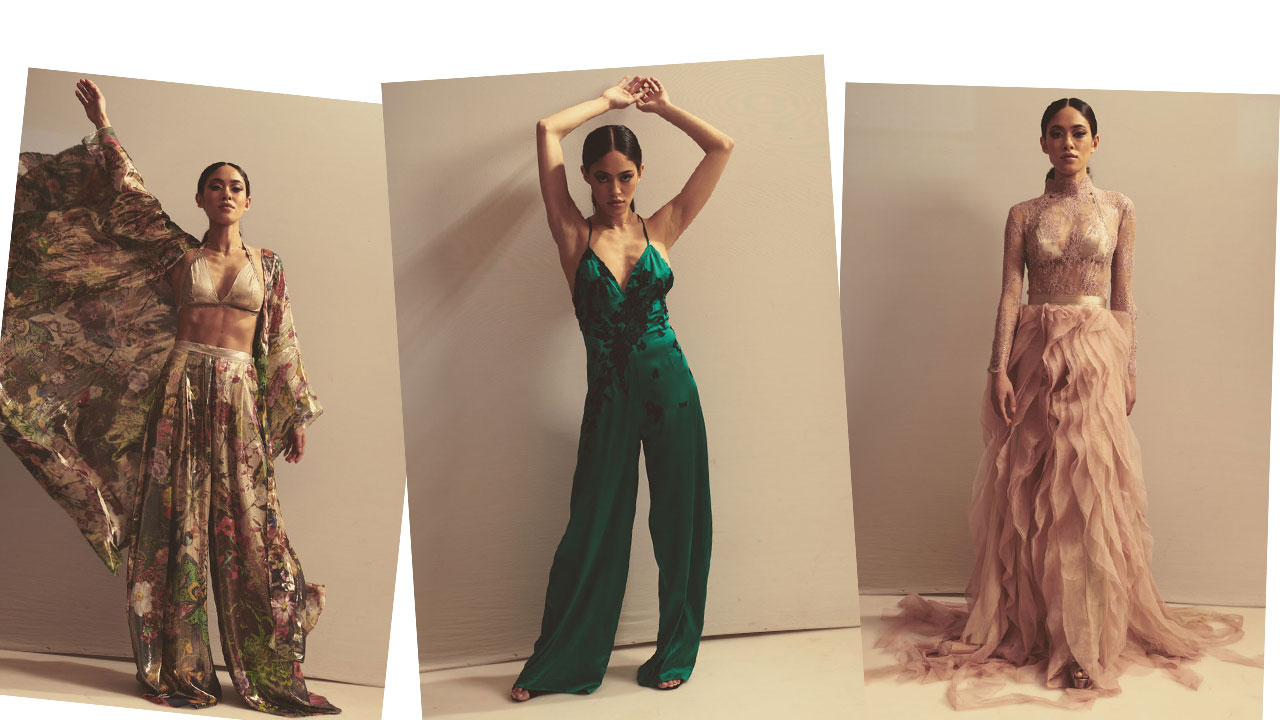
Shooting in New York: Ariana's first job in Manhattan!

Hamburg: New office from 2023 with casting days!

London City Casting 07.11. - Apply now! CM UK Model Casting in November

Curved Models: Plus Size Model for Fashion & Advertising




Model Measurements: Requirements and Size for High Fashion, Advertising, Plus Size & Curvy Models

Models Wanted Berlin! CM Rooftop Casting 26th and 27th April #savetheday
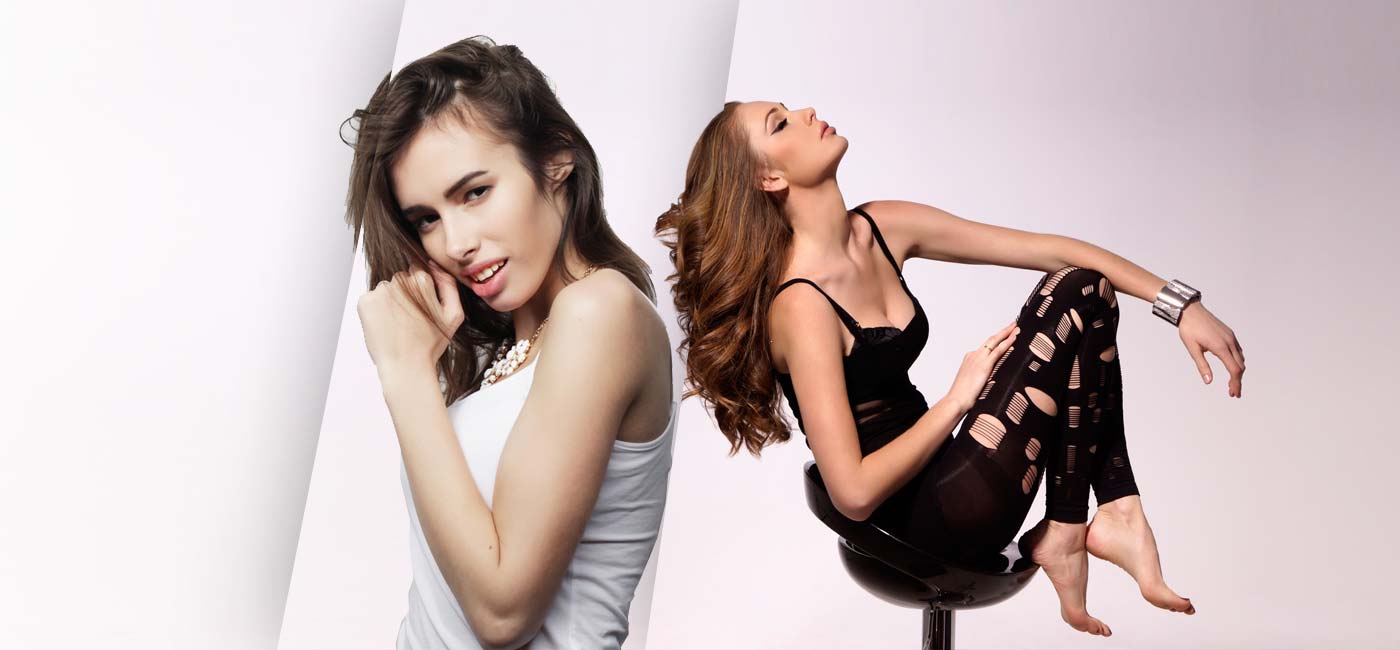
Top Models vs New Faces for Fashion, Marketing & Advertising

Becoming a model: Casting situations and agency presentation - what you need to know!