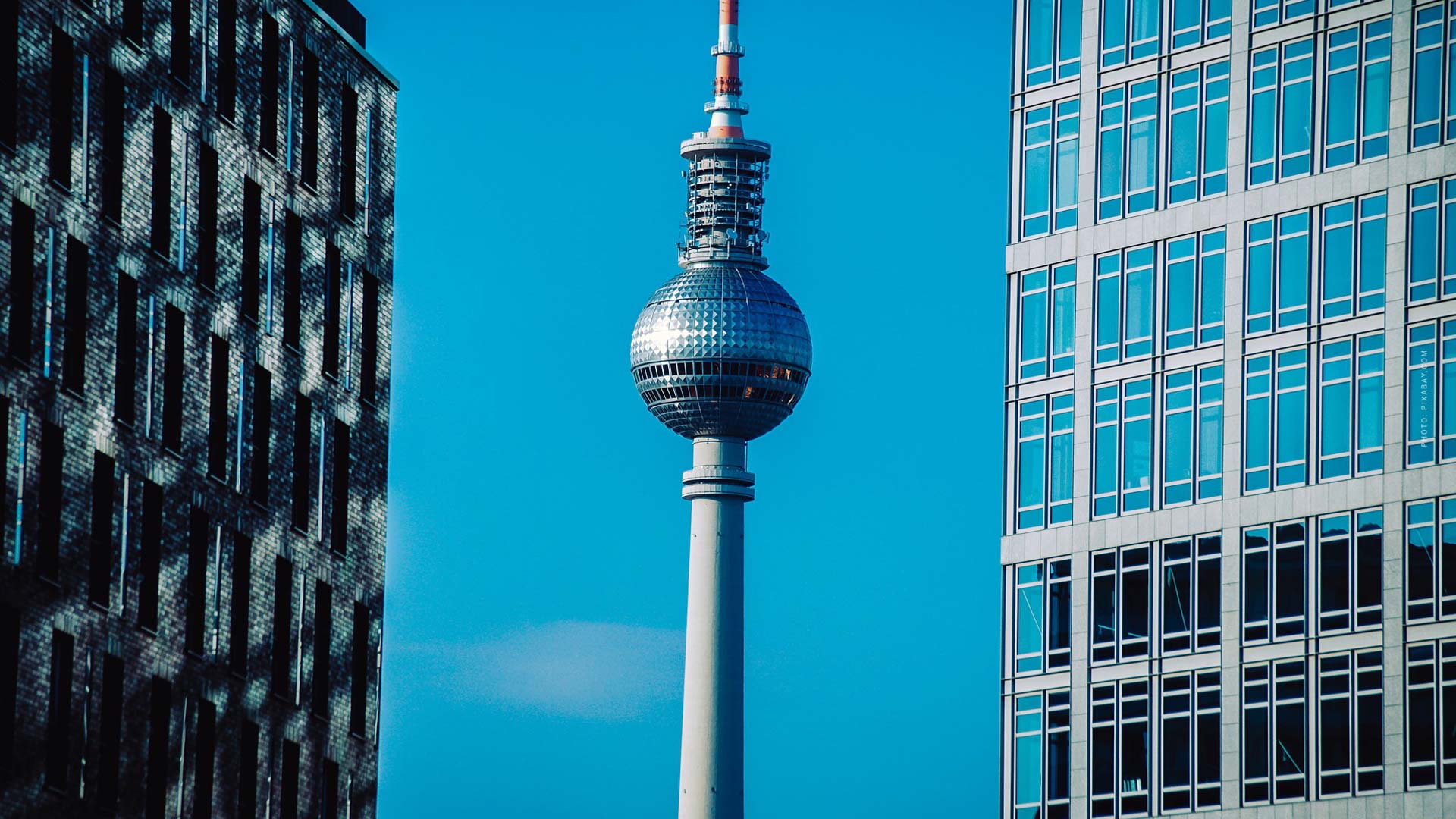
Berlin Fashion Week Dates: Fashion Show, Designer, Trade Fairs and Events
Berlin is not Paris – and that is exactly what makes the Berlin Fashion Week so special. While the
Berlin Fashion Week: History, Character and Features
Since its founding, the Berlin Fashion Week has developed into a fixed part of the international fashion calendar. What began as a regional showcase now attracts buyers, journalists, influencers and creatives from all over the world. Berlin differs fundamentally from the giants in
What Makes Berlin Different from Other Fashion Capitals
Berlin is rougher, more experimental and more democratic than its bigger siblings. The city has never had a courtly fashion tradition like Paris or the opulent tailoring craftsmanship of Milan. Instead, subcultures, underground labels and designers who see fashion as a political statement thrive here. The German fashion designers who succeed on Berlin’s stage often focus on sustainability, fair production and unconventional aesthetics – values that are increasingly gaining weight in the international fashion calendar.
“Berlin gives you the freedom to radically rethink fashion – without the pressure to be commercially viable straight away. That’s not possible anywhere else in the world.”
The Most Important Venues in Berlin
The fashion shows and events take place all over the city – from the historic power station in the centre via the Funkhaus Nalepastraße to the Tempodrom. This decentralised structure reflects the character of Berlin: no central stage, but a lively network of creative spaces. Anyone who wants to experience the
Dates, schedule and programme of the Berlin Fashion Week
The Berlin Fashion Week takes place twice a year – in January for the autumn/winter collections and in July for the spring/summer collections. The programme typically lasts between five and seven days and includes fashion shows, trade fairs, showrooms and supporting events.
Overview: Trade fairs and core events
| Event | Format | Target Group | Focus |
|---|---|---|---|
| Premium | Order fair | Purchasers, retailers | Contemporary Fashion |
| Seek | Order fair | Streetwear industry | Urban & Street Styles |
| Neonyt | Fair | Sustainability industry | Sustainable Fashion |
| Berlin Fashion Shows | Runway Shows | Press, buyers, VIPs | Designer Collections |
| Showrooms & Presentations | Single appointments | Purchasers, press | New Labels & Brands |
Fashion Shows and Designers in Focus
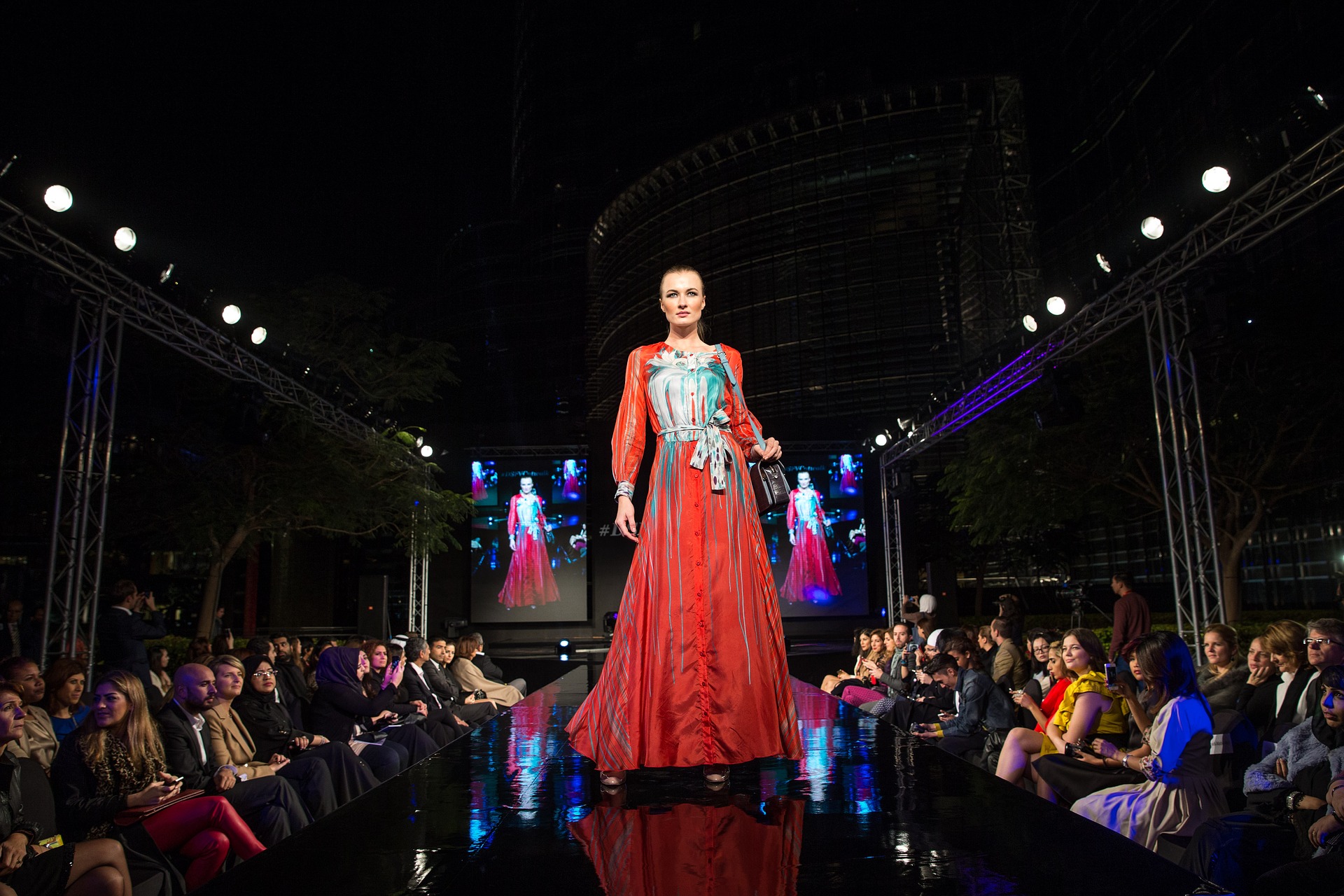
Among the most well-known names regularly presenting at the Berlin Fashion Week are established labels such as Marc Cain and Allude, as well as emerging talents from the German-speaking region. Many German fashion designers use Berlin as a springboard for international attention. The runway shows are often more experimental and narrative than in other fashion cities – less commercial spectacle, more artistic statement.
- Marc Cain – elegant ladies’ fashion
- Allude – luxurious knitwear
- Lala Berlin – Nordic aesthetics
- Riani – modern businesswear
- Up-and-coming talents via MBFW Rising Stars
As a model at the Berlin Fashion Week: How to make a successful entry
The Berlin Fashion Week is not only a showcase for established stars – it is also one of the best opportunities for aspiring models to present themselves to the industry. Anyone who meets the requirements for being a model should take advantage of the chance to position themselves early on.
Preparation is everything
Anyone wishing to appear at Berlin fashion shows needs more than just good looks. A professional
Measurements, Sizes and Opportunities
Many believe that without standard measurements they have no chance. This is no longer true. The measurements and requirements for models have changed in recent years. Especially in Berlin, where diversity is highly valued, even curvy models and people beyond classic
Checklist: What you need for your Berlin casting
- ☐ Submit current modelling agency application
- ☐ Have a professional modelling portfolio created
- ☐ Complete runway training
- ☐ Update measurements and photos
- ☐ Secure casting appointment early
- ☐ Have portfolio ready both digitally and in print
- ☐ Check the seriousness of the agency
- ☐ Do not pay any upfront fees
Career, agencies and the path into the fashion world
The Berlin Fashion Week can be a stepping stone for a career – but only with the right strategy. Anyone who wants to seriously enter the industry should not only focus on Berlin. International experience in cities like London or New York is worth its weight in gold. For a start in Germany, in addition to Berlin, it is also worth looking at a
Keep an eye on finances and seriousness
An important aspect that many newcomers underestimate: the financial side of the modelling business. Before you sign a contract, find out
Modelling as a side job – that’s also an option
Not everyone wants to become a full-time model straight away.
Frequently Asked Questions about the Berlin Fashion Week
When does the Berlin Fashion Week take place?
The Berlin Fashion Week takes place twice a year: in January for the autumn/winter season and in July for the spring/summer season. The exact programme with all individual dates is usually announced several weeks in advance on the official websites of the participating trade fairs and event organisers.
How can a model get to the castings of the Berlin Fashion Week?
The most direct way is through an established modelling agency that has contacts with the casting coordinators. Alternatively, some event organisers offer open castings. What matters most is a professional portfolio, good runway experience and proper preparation. Anyone who applies now takes the first step in the right direction.
Is the Berlin Fashion Week publicly accessible?
Part of the events are accessible to the public, particularly certain trade fair areas and ancillary programmes. The actual runway shows and showrooms are usually restricted to industry professionals, press and accredited guests. Tickets for selected events are sometimes available through official channels.
Which trade fairs take place alongside the Berlin Fashion Week?
Alongside the fashion shows, important industry trade fairs take place, including Premium (Contemporary Fashion), Seek (Urban & Streetwear) and Neonyt (sustainable fashion). These fairs primarily target buyers and industry professionals, but also offer interesting networking opportunities for models and emerging designers.
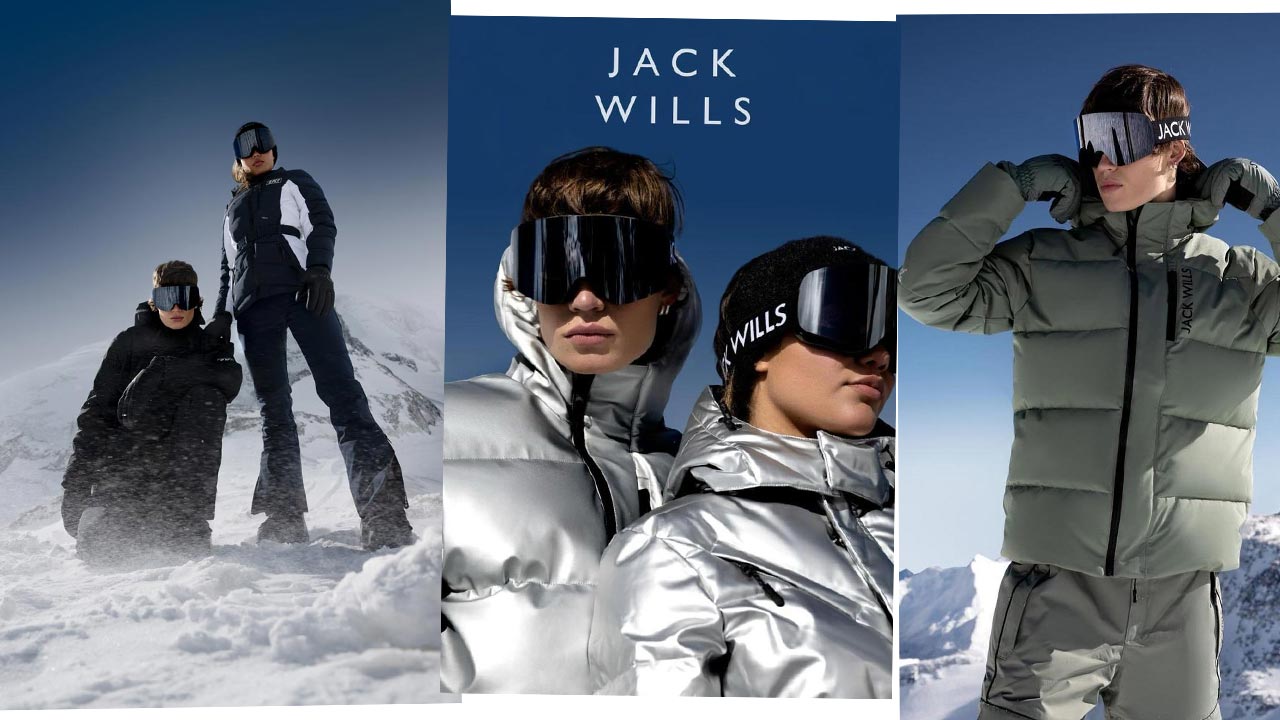
Artur for the Jack Wills Ski Campaign
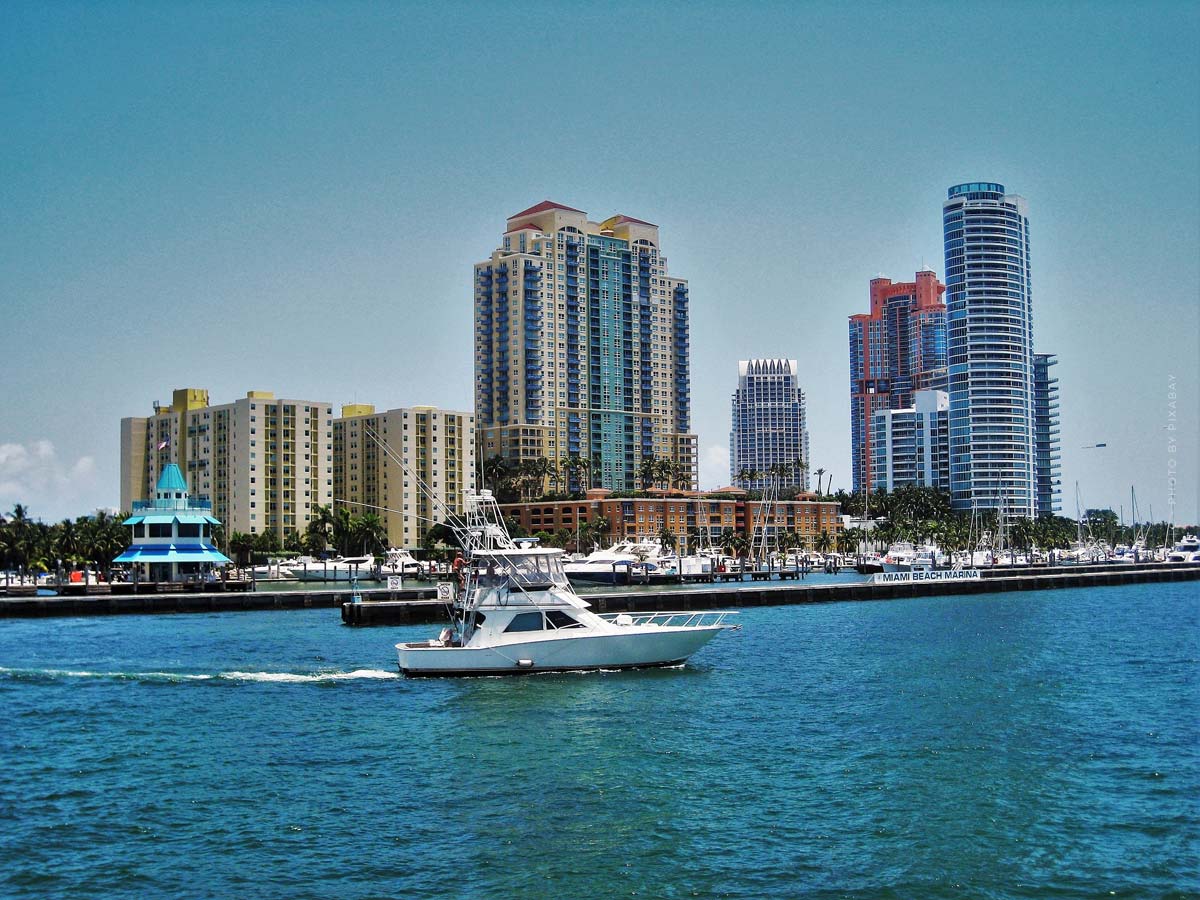
Miami Fashion Week Dates: Fashion Show, Designer, Trade Shows and Events
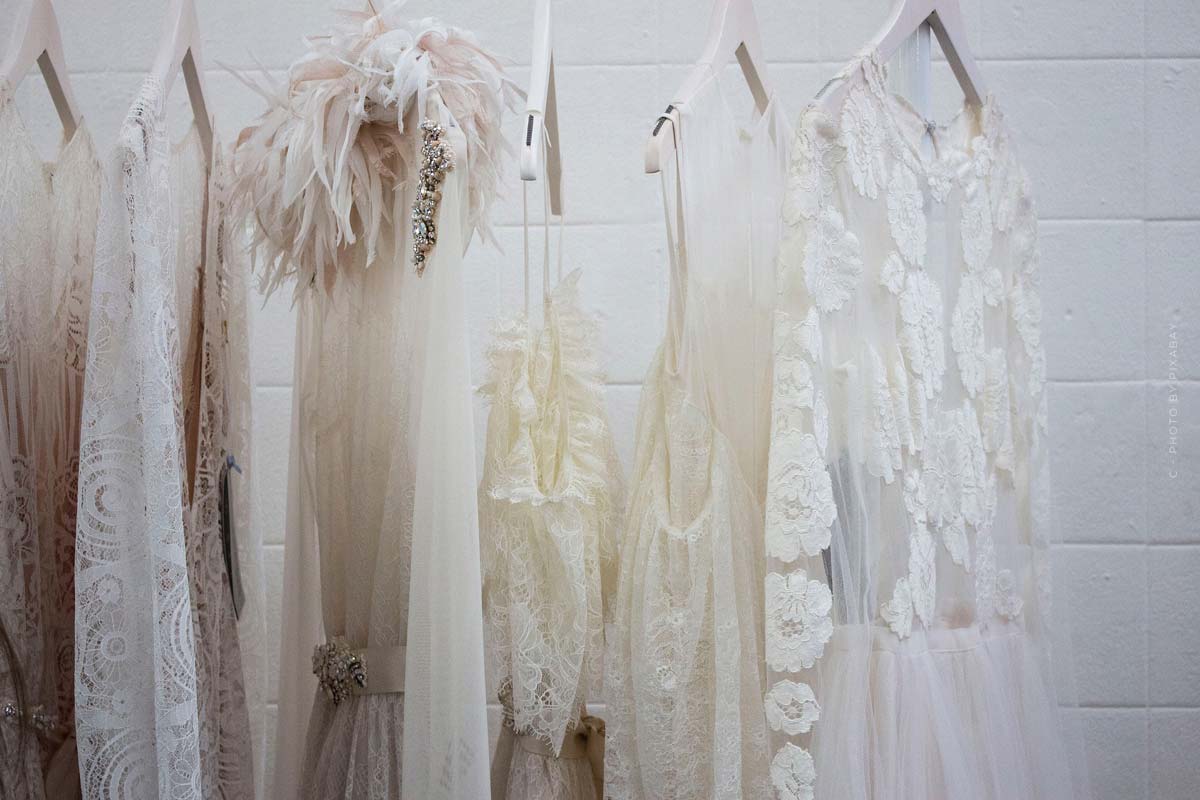
Evening Wear Brands: Women x Men - Fashion from Dior, Fendi & OhPolly
High Fashion Brands: Women x Men - Fashion from Balenciaga, Dior, Louboutin and Versace
Paris Fashion Week Dates: Fashion Show, Designer, Trade Fairs and Events

Milan Fashion Week Dates: Fashion Show, Designer, Fairs and Events