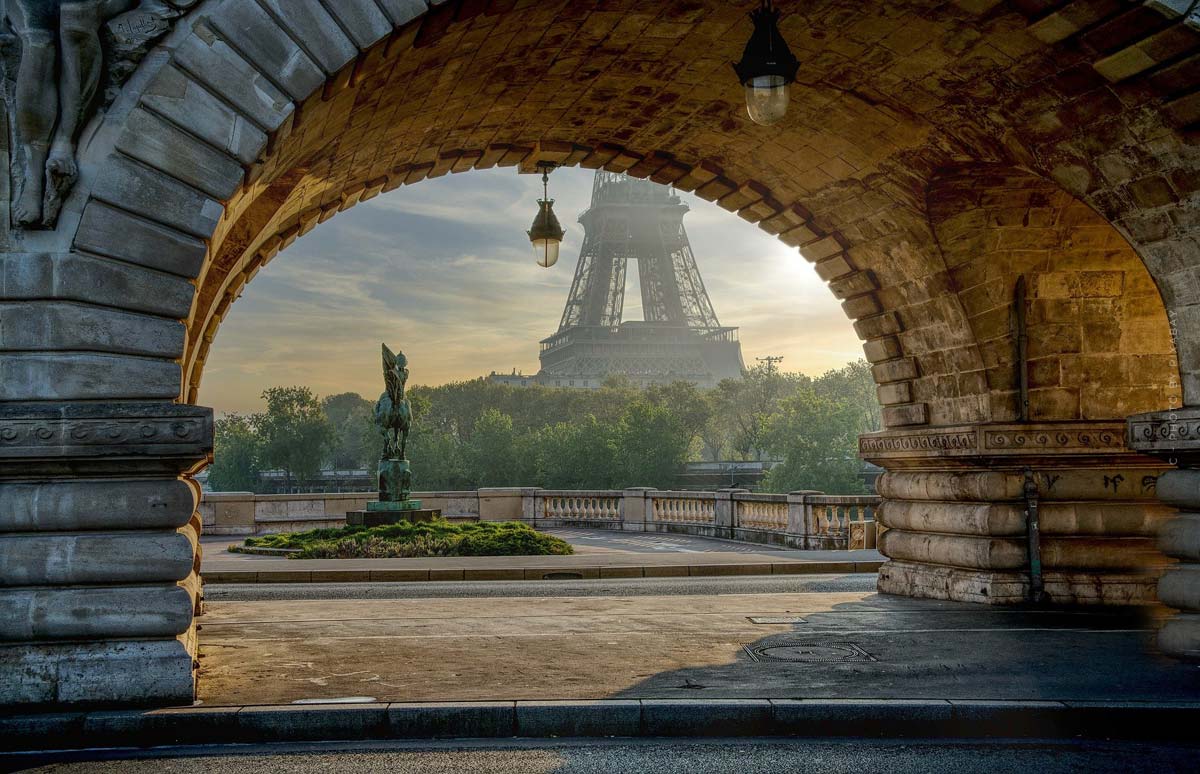
Paris Fashion Week Dates: Fashion Show, Designer, Trade Fairs and Events
Twice a year, Paris transforms into the undisputed capital of Haute Couture: The Paris Fashion Week captivates the entire fashion world. Those who walk the runway here have made it. Those who sit in the front row belong to the inner circle. And those who work behind the scenes experience moments that can change careers. Yet the Paris Fashion Week is far more than glamour and glitter — it is the global pace-setter for trends, prices and career paths in the fashion industry.
Paris Fashion Week: Dates and Overview
The Paris Fashion Week takes place twice a year — once for the autumn/winter collections in February/March and once for the spring/summer collections in September/October. In addition, there are special Haute-Couture weeks in January and July, which Paris is the only city in the world to host in this form. This makes Paris the only metropolis of the
By comparison: The
A quick overview of the four fashion weeks in Paris
| Season | Type | Period | Focal Point |
|---|---|---|---|
| Winter | Haute Couture | January | Exclusive Made-to-Measure |
| Autumn/Winter | Ready-to-Wear | February/March | Main Collections of the Season |
| Summer | Haute Couture | July | Exclusive Made-to-Measure |
| Spring/Summer | Ready-to-Wear | September/October | Main Collections of the Season |
For
The Big Designers and Fashion Houses in Paris
Paris is the home of the world’s most prestigious fashion houses. Chanel, Dior, Louis Vuitton, Balenciaga, Givenchy, Hermès, Valentino — these names stand not only for clothing, but for history. The shows of these houses are the most coveted tickets in the fashion world, and a place in the front row can define careers.
Haute Couture vs. Prêt-à-Porter
Haute Couture is the heart of the Paris Fashion Week. The collections are made entirely by hand for named clients. Only a few dozen houses worldwide are officially allowed to call themselves “Haute Couture” — this designation is legally protected and awarded by the Chambre Syndicale de la Haute Couture.
Prêt-à-Porter — meaning “off the rack” in German — is aimed at a broader audience. Here, young, emerging German fashion designers also showcase their collections, provided they gain access to the official agenda of the Fédération de la Haute Couture et de la Mode. The
Show formats and venues
The locations of the Paris Fashion Week are legendary: the Louvre courtyard, the Grand Palais, the Palais Garnier or improvised industrial halls in the 10th arrondissement. Each location is a staging in itself. The shows usually last only 10 to 20 minutes — yet these minutes are prepared for months.
- Grand Palais — Classics for Luxury Shows
- Louvre — Dior, Vuitton, Chanel
- Palace Royal — pure atmosphere
- Off-Locations im 10./11. Arrondissement
- Private spaces of exclusive fashion houses
For Models: How to Get on the Paris Runway
The dream of many aspiring models is to one day stand on the catwalk in Paris. However, the journey there is long and requires professional preparation. First of all: The requirements to become a model are particularly strict for Parisian shows. For Haute-Couture shows, women between 175 and 180 cm tall are usually sought after, with very specific measurements.
„Paris vergibt keine zweiten Chancen auf den ersten Eindruck. Wer hier castet, sieht in Minuten, ob jemand das Potenzial für die große Bühne hat — oder nicht.”
— Experienced booking agent, Paris
Measurements, Size and Requirements for Paris
Anyone familiar with model measurements and requirements knows: The requirements for international runway shows are the highest in the industry. A
The Way to an Agency — Step by Step
Without a serious agency, no access to the big Parisian shows. The first step is always a professional casting. Anyone who takes part in a
Building a career also requires a convincing
Location also plays a role:
Checklist: Preparation for a Paris casting
- ☐ Research a professional agency
- ☐ Document current measurements
- ☐ Model portfolio at an international level
- ☐ Prepare a go-see outfit (neutral!)
- ☐ Complete runway training
- ☐ Refresh basic French knowledge
- ☐ Make portfolio available digitally
- ☐ Clarify travel and visa issues
Fairs, events and supporting programme of the Paris Fashion Week
Alongside the official runway shows, there is a huge supporting programme. Showrooms, press events, cocktail receptions and trade fairs such as Première Classe or Tranoi offer buyers, journalists and up-and-coming talents access to the fashion world on a different level. Whoever knows how to contact a modelling agency properly can also make valuable contacts here.
Networking and career opportunities on site
The Paris Fashion Week is not just an event — it is a global marketplace. Agencies from all over the world are present, bookings are made spontaneously, and sometimes a single appearance can decide the future career path. Whoever knows the
For models who want to turn their hobby into a profession:
- Showrooms — direct contact with designers
- After-Show-Events — networking at the highest level
- Press conferences — for accredited media
- Street Style — publicly and freely accessible
- Fairs such as Tranoi — accessible to trade visitors
Especially for getting started, it’s worth looking at the
Anyone who wants to know what financial aspects a Parisian career can hide should inform themselves about
Frequently asked questions about Paris Fashion Week
When does the Paris Fashion Week take place?
The Paris Fashion Week takes place four times a year: in January and July as the Haute-Couture Week and in February/March and September/October as the Prêt-à-Porter Week. The exact dates vary slightly from season to season and are officially announced by the Fédération de la Haute Couture et de la Mode.
Can you attend the Paris Fashion Week as a spectator?
The official runway shows are not publicly accessible — they are restricted to invited guests, press and industry insiders. Those who still want to be there in person can follow Street-Style events, enter certain trade fairs as trade visitors or take part in public pop-up events around the fashion week.
How can I get cast as a model for the Paris Fashion Week?
The route almost always goes through an established modelling agency with international connections. These send model portfolios and cards to the casting directors of the fashion houses. Go-sees in Paris are usually held in the weeks before the Fashion Week. In addition to measurements, experience on the runway, professionalism and a strong portfolio are crucial.
What sets Paris apart from the other Fashion Weeks?
Paris is the only city that, alongside the Prêt-à-Porter collections, also hosts officially accredited Haute-Couture shows. This makes Paris the only metropolis to bring together all four major fashion calendar events under one roof. Added to this is the historical and cultural significance of the city as the birthplace of the modern fashion industry — this gives Parisian shows a prestige that no other fashion centre can match.
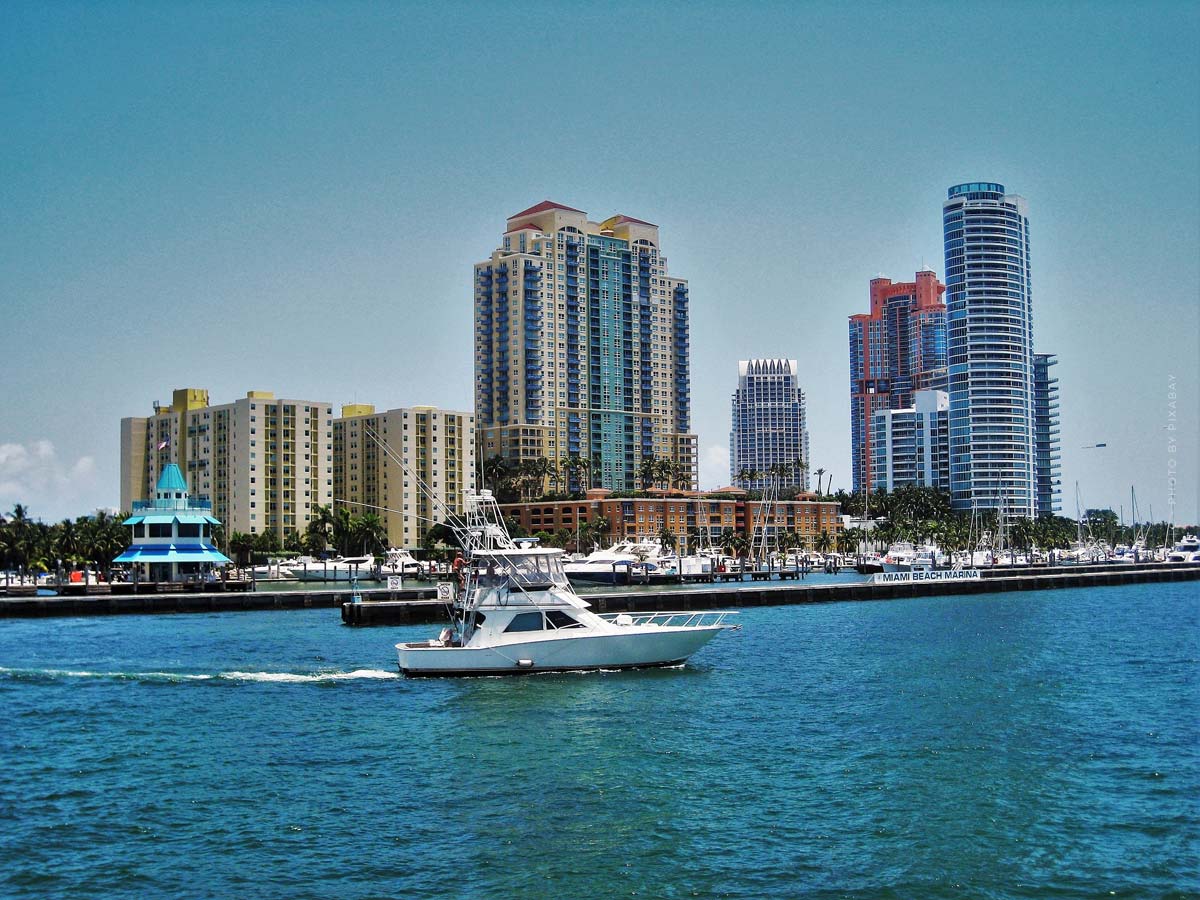
Miami Fashion Week Dates: Fashion Show, Designer, Trade Shows and Events

Milan Fashion Week Dates: Fashion Show, Designer, Fairs and Events
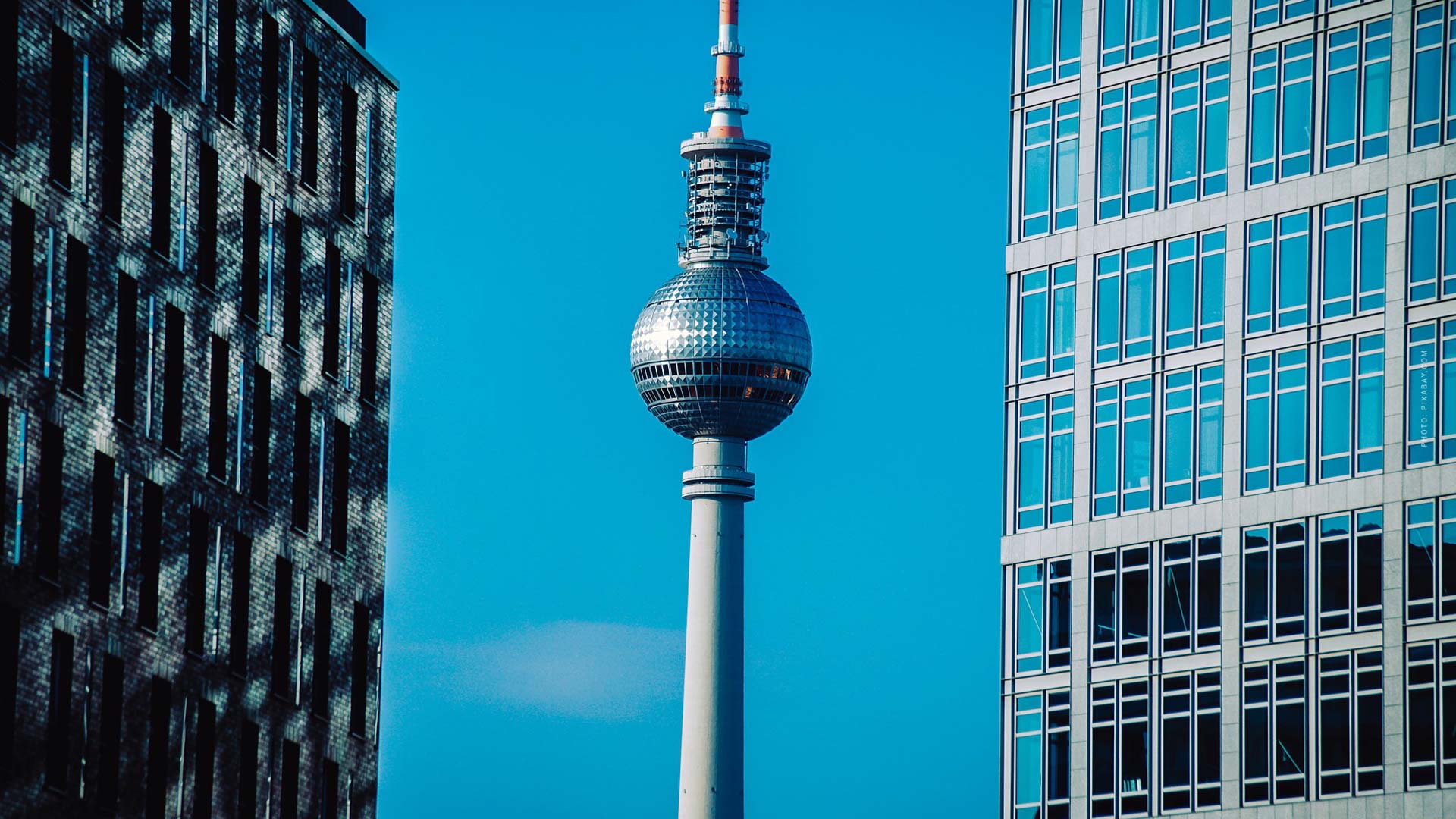
Berlin Fashion Week Dates: Fashion Show, Designer, Trade Fairs and Events
Snipes x Adidas with Ariane in Berlin - New Streetwear
Emmanuel for L'Officiel Hommes Belgium - Issue: Spring Awakening!
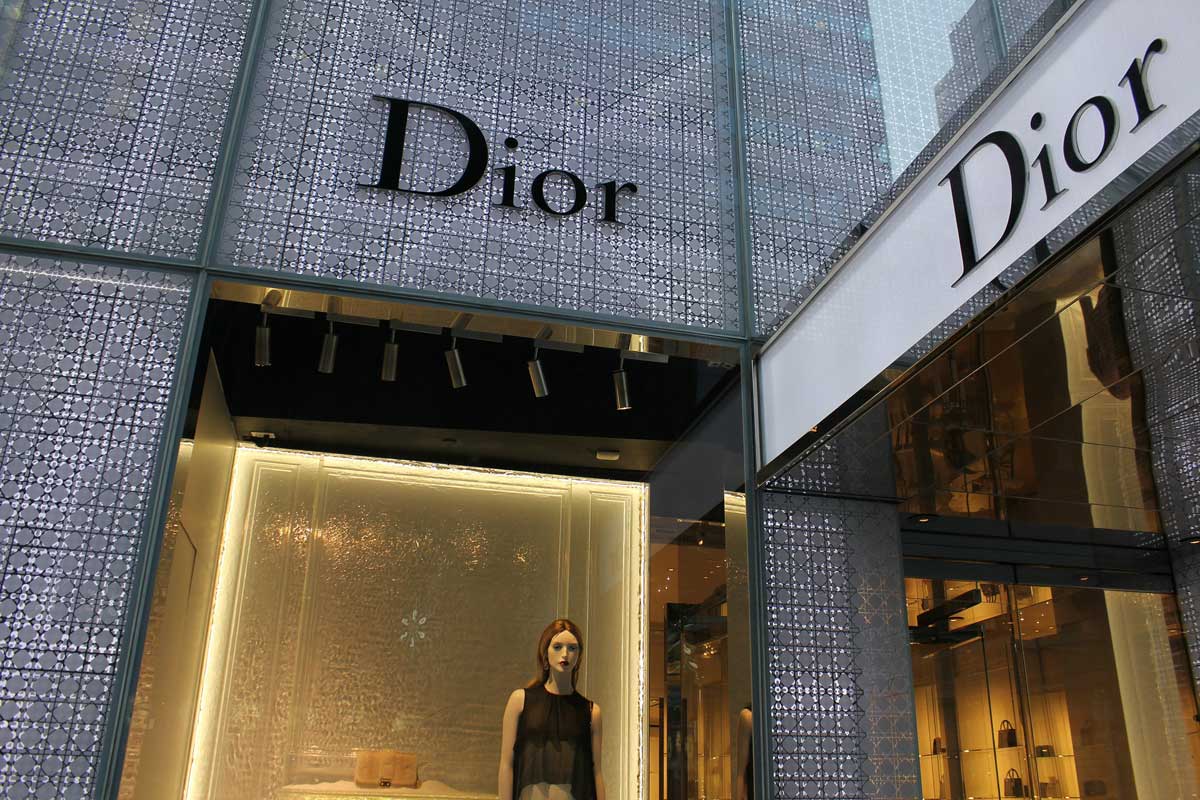
Dior x Jonathan Anderson (previously Loewe): New Creative Director