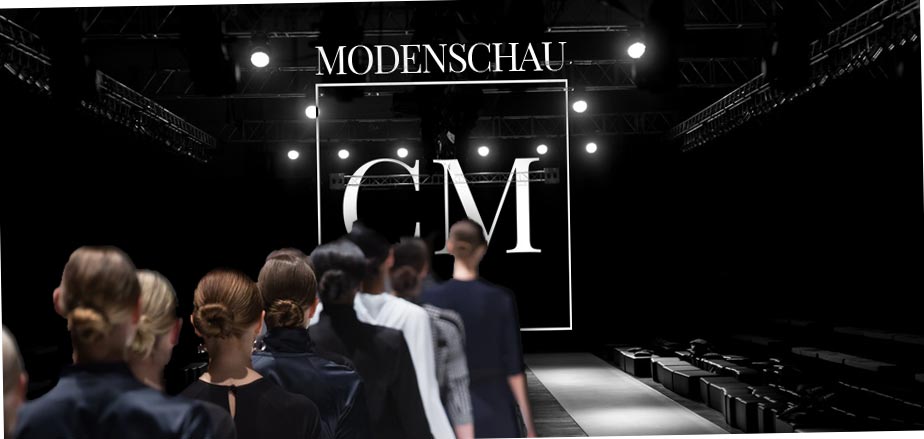
Planning a fashion show – Agency experience, planning and presentation of high-quality fashion
A fashion show is far more than a catwalk with pretty outfits – it is a precisely choreographed piece of art that requires months of preparation, a well-coordinated team and absolute finesse. As an experienced agency, we know: between the first idea and the moment the first model steps onto the stage, there are countless decisions that determine success or failure. Anyone planning a fashion show in Berlin, Hamburg, Munich or another German metropolis needs more than just creativity – above all, they need a watertight plan.
Concept and scheduling: The foundation of every successful fashion show
The first and most important step is the development of a clear concept. What is the content about? Which collection should be presented? Which audience should be addressed? These questions must be answered before even a single service provider is contacted. Ideally, designers and organisers meet several months before the planned event to translate the creative vision into actionable steps.
Professional fashion shows often align with major international events. The
Schedule: When does what happen?
A realistic timeline is the backbone of any planning. The following overview shows what a professional schedule might look like:
| Time period before the show | Tasks | Responsible |
|---|---|---|
| 6–9 months | Concept development, budget planning, location search | Agency, designer |
| 4–6 months | Casting, bookings, technical planning, PR briefing | Casting director, PR agency |
| 2–4 months | Invitation management, press work, rehearsals | PR team, choreographer |
| 2–4 weeks | Final fittings, light test, dress rehearsal | Stylist, stage team |
| Event day | Setup, hair & make-up, show schedule, backstage | Entire team |
Model casting and bookings: The right faces for the collection
The casting is one of the most critical points in planning a fashion show. Models must not only look suitable for the collection – they must be able to walk, quickly follow instructions and act professionally under pressure. Those who have no experience with the topic should first inform themselves about the basic requirements for becoming a model and understand what distinguishes professional models.
For the actual casting, we recommend turning to experienced agencies. A
Diversity on the runway
Modern fashion shows are increasingly focusing on diversity. This means not only different ethnicities but also a variety of body shapes. Curvy models are becoming a fully-fledged career path, and many successful shows deliberately book models beyond classical size standards. Those who want to learn more about becoming a model in larger sizes or want to know whether there is a model agency without a minimum height requirement can find the relevant information with specialised agencies. The question of the
- Set casting dates early on
- Plan for at least 20 % backup models
- Check runway experience in advance
- Have a short trial with all booked models
- Realistically calculate the number of outfits per model
Location, technology and staging: Where the magic happens
The location is the stage for everything that follows. Whether it’s an industrial hall, a historic building, a hotel ballroom or an open-air venue – the space must match the collection and at the same time be technically feasible. A
Lighting, sound and stage design are the technical pillars of every show. A well-thought-out lighting concept can make even simple outfits shine – poor lighting can destroy even the most beautiful collection. Music, timing and the choreography of the runway also come into play. Anyone who wants to prepare their models optimally for the
“A fashion show is like a clockwork mechanism – every gear must mesh. When the timing is right, the audience feels nothing but magic. When it’s wrong, all you see is chaos.”
PR, guests and media work
A fashion show without an audience is just a trial run. It is only the right guests that turn an internal presentation into a real event. PR agencies take over the invitation logistics in this phase, coordinate press appointments and ensure that bloggers, editors and buyers are informed in good time. The rule is: quality over quantity. Twenty real decision-makers are more valuable than two hundred spectators.
Cooperation with serious partners is essential. Whether it’s about finding a
Budget, contracts and professional management
One of the most common causes of failed fashion shows is an unrealistic budget. Between location, equipment, catering, models, stylists, hairdressers, make-up artists and PR work, the costs quickly add up. Anyone planning their first show regularly underestimates the effort required in the backstage area.
Transparency is key here – both internally and when dealing with commissioned service providers. For example, whoever books models should know
Working with the agency – how it works
Anyone who commissions a professional agency for planning should communicate clear expectations from the start. Are there already known German fashion designers who should be involved? Is the show part of a larger campaign? Should models also be booked on a part-time basis – information on this can be found under
Those aiming to collaborate with an agency will find valuable tips in the article How to Contact a Model Agency. For models who wish to apply specifically, it’s straight here: Apply Now.
Checklist: Planning a Fashion Show – the Most Important Steps
- ☐ Define the concept and creative vision
- ☐ Set the budget and plan for a buffer
- ☐ Research and book a location
- ☐ Plan the casting and contact agencies
- ☐ Request technical service providers (lighting, sound, stage)
- ☐ Brief the PR agency and create a guest list
- ☐ Book stylists, hair and make-up
- ☐ Develop the runway choreography
- ☐ Conduct a dress rehearsal with all participants
- ☐ Document and communicate backstage procedures
- ☐ Coordinate media accreditation
- ☐ Plan the follow-up and press evaluation
Frequently Asked Questions About Planning a Fashion Show
How far in advance should one plan a fashion show?
For a professional fashion show with external guests, models and press representatives, planning should begin at least six months in advance. Larger events – for example, as part of an established Fashion Week – may require a lead time of up to nine to twelve months. Shorter notice shows are possible, but they significantly increase the risk of shortages in location, staff and logistics.
What does a professionally planned fashion show cost?
The costs vary greatly depending on the scale, location and number of guests. A smaller, exclusive show in a German major city typically starts at several tens of thousands of euros, if all professional service providers – models, technical staff, styling, PR – are appropriately compensated. Important: Never cut corners on the quality of the models. They are the visible heart of the event. Information on industry-standard fees can be found in the article
What role does the agency play in a fashion show?
An experienced agency takes care of the overall coordination: from concept development through casting to press follow-up. It acts as the interface between designer, models, technical team and PR – and ensures that all involved parties are in the right place at the right time. For models who want to understand what the path into the industry looks like, a look at the
Can one also organise a fashion show outside of the big cities?
Absolutely. Although the fashion industry’s activities are concentrated in metropolitan areas, successful shows can be created everywhere where creativity meets planning. Someone working, for example, in Frankfurt will find just as well-connected contacts there – more information can be found under
Snipes x Adidas with Ariane in Berlin - New Streetwear
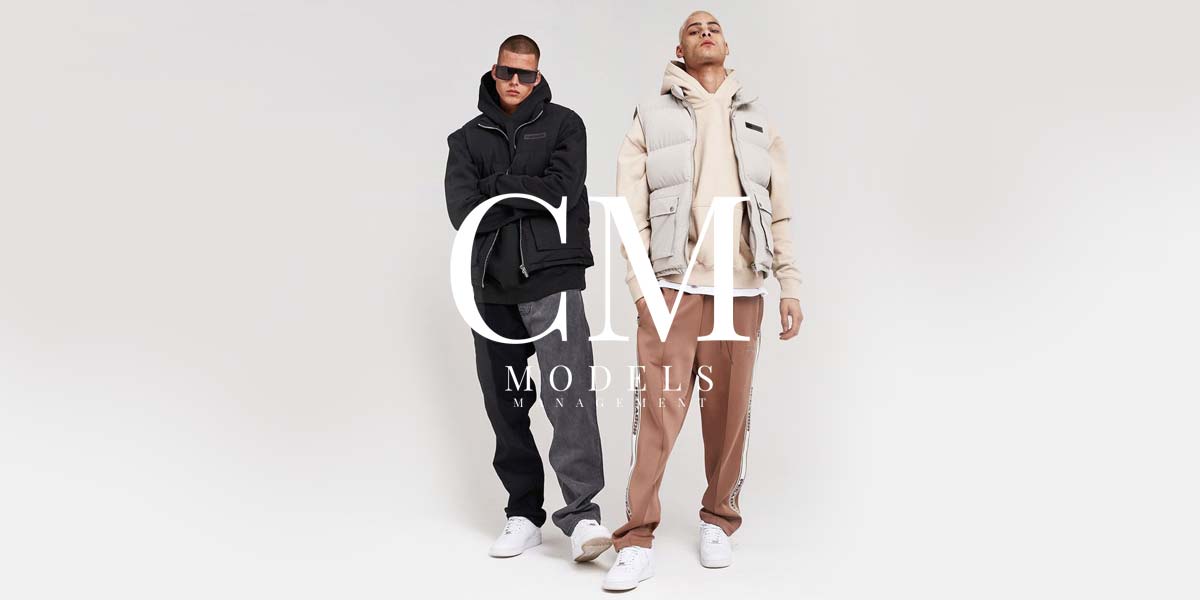
Emmanuel for L'Officiel Hommes Belgium - Issue: Spring Awakening!
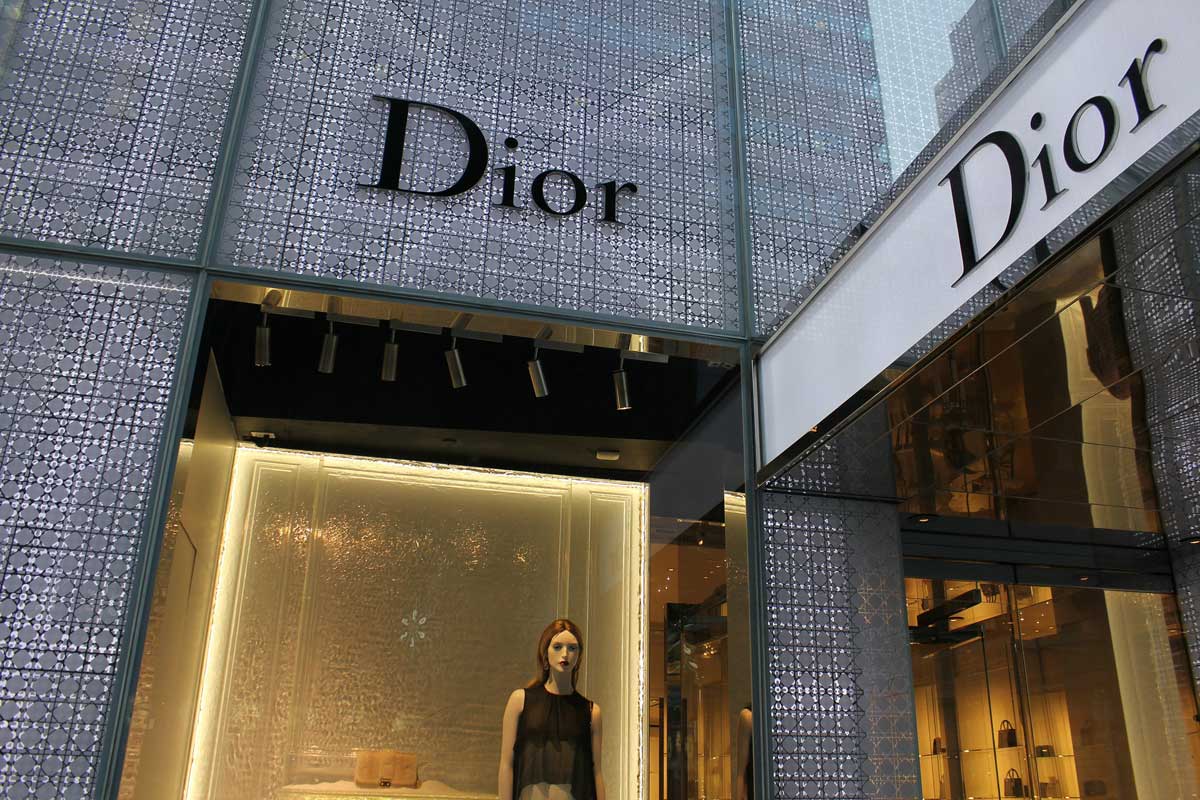
Dior x Jonathan Anderson (previously Loewe): New Creative Director

Kering new board: luxury group in transition - Gucci, Balenciaga and Saint Laurent
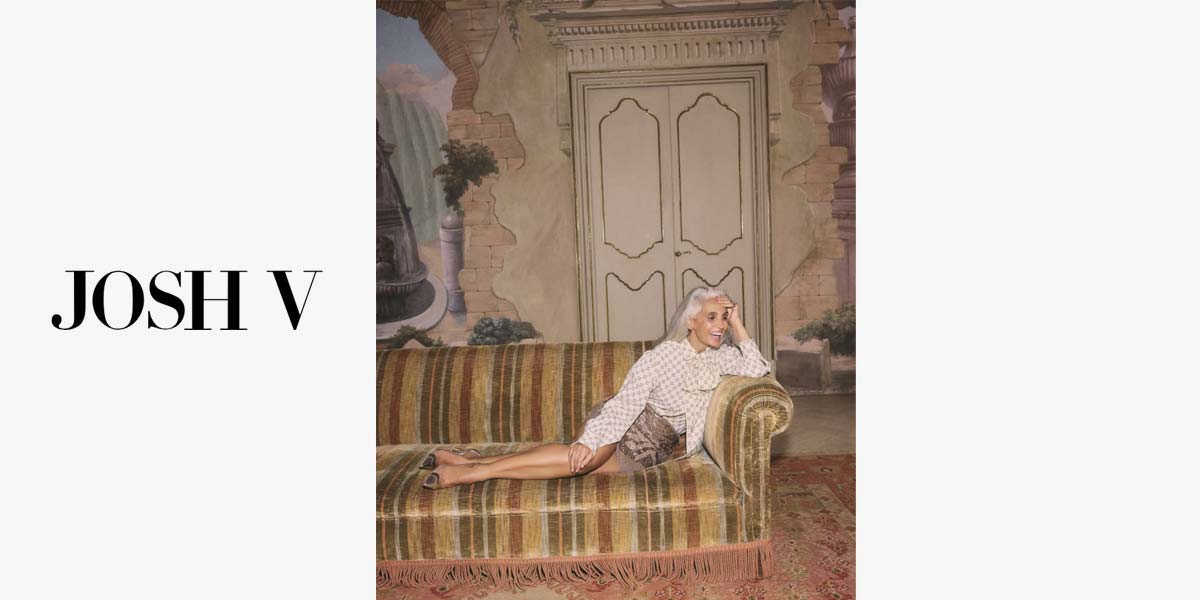
Milva x JOSH V: Autumn Campaign – Elegance Meets High Fashion
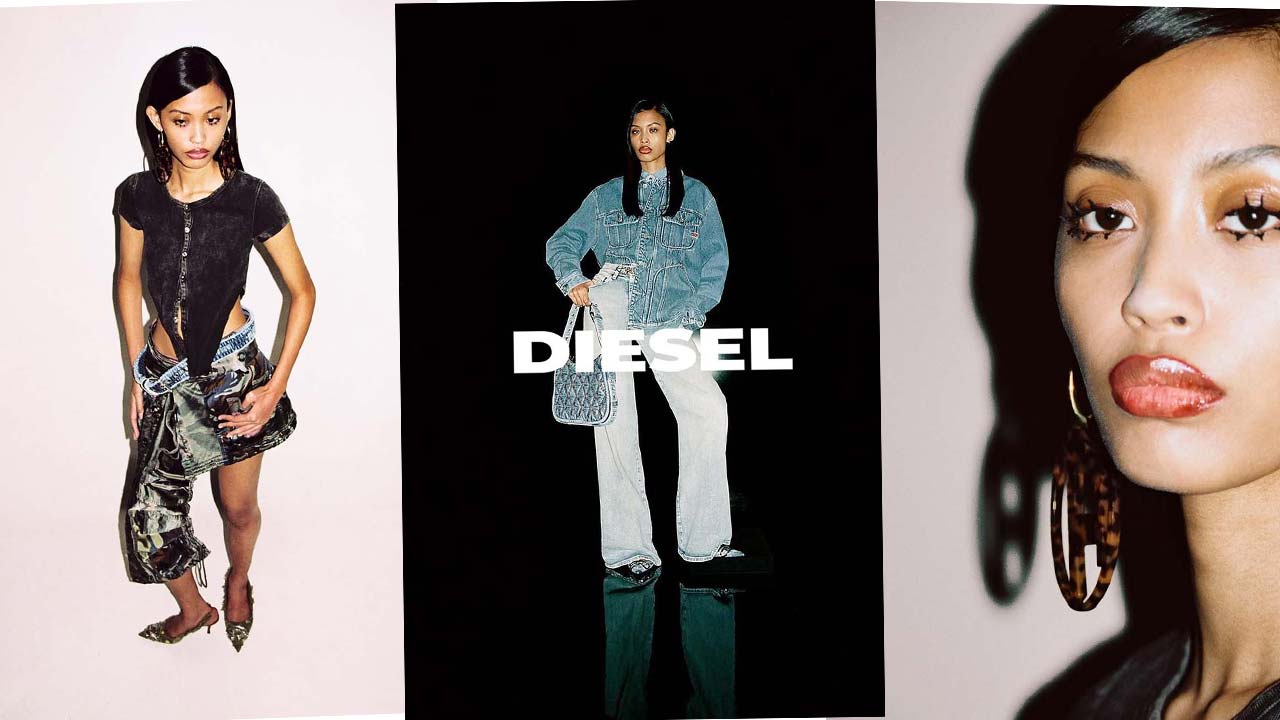
Nafa Salvana x Diesel SS











Leave a Reply
Want to join the discussion?Feel free to contribute!